93 mins |
Rated
TBC
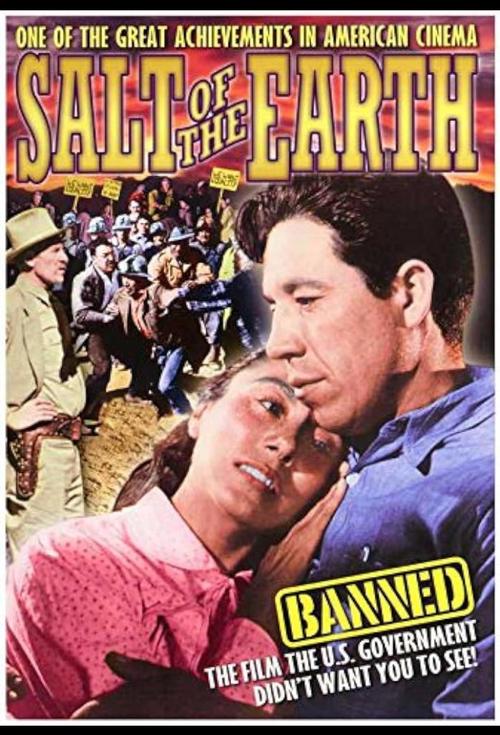
"SALT OF THE EARTH" (1954) stands as a timeless testament to the transformative power of solidarity and collective action. Directed by Herbert J. Biberman and written by Michael Wilson, Salt of the Earth was blacklisted from theatrical release along with its filmmakers during the reign of McCarthyism. Pauline Kael reviewed the film for Sight and Sound in 1954 and panned it, calling it “as clear a piece of Communist propaganda as we’ve had in many years.” Ain’t that just so, Pauline? Not only is it Communist propaganda, "SALT OF THE EARTH" vividly and nearly perfectly illustrates the profound impact of organized resistance on both individuals and communities.
Amidst the political turmoil of the 1950s, this groundbreaking film tells the story of Mexican-American zinc miners in New Mexico who rise up against unjust working conditions and discriminatory treatment. As the workers and their families join forces in a courageous struggle for dignity and equality, "SALT OF THE EARTH" offers profound insights into the profound changes that occur when ordinary people unite to challenge entrenched power structures.
As the miners and their families confront adversity together, they undergo a powerful process of self-discovery and empowerment, discovering newfound strength and resilience in the face of oppression. From the fiery speeches of union organizers to the quiet moments of solidarity among families, the film captures the profound sense of camaraderie and shared purpose that emerges when people come together to fight for their rights.
At its core, "SALT OF THE EARTH" is a stirring reminder of the enduring importance of collective action in the fight for social justice. As the miners and their families defy prejudice, violence, and intimidation to stand up for their rights, the film serves as a powerful call to arms for audiences of all backgrounds. Through its powerful portrayal of the transformative power of solidarity, "SALT OF THE EARTH" challenges viewers to reflect on their own roles in shaping a more just and equitable society, making it a timeless and essential viewing experience for anyone passionate about human rights, workers rights, and social change.
Read more...
"SALT OF THE EARTH" (1954) stands as a timeless testament to the transformative power of solidarity and collective action. Directed by Herbert J. Biberman and written by Michael Wilson, Salt of the Earth was blacklisted from theatrical release along with its filmmakers during the reign of McCarthyism. Pauline Kael reviewed the film for Sight and Sound in 1954 and panned it, calling it “as clear a piece of Communist propaganda as we’ve had in many years.” Ain’t that just so, Pauline? Not only is it Communist propaganda, "SALT OF THE EARTH" vividly and nearly perfectly illustrates the profound impact of organized resistance on both individuals and communities.
Amidst the political turmoil of the 1950s, this groundbreaking film tells the story of Mexican-American zinc miners in New Mexico who rise up against unjust working conditions and discriminatory treatment. As the workers and their families join forces in a courageous struggle for dignity and equality, "SALT OF THE EARTH" offers profound insights into the profound changes that occur when ordinary people unite to challenge entrenched power structures.
As the miners and their families confront adversity together, they undergo a powerful process of self-discovery and empowerment, discovering newfound strength and resilience in the face of oppression. From the fiery speeches of union organizers to the quiet moments of solidarity among families, the film captures the profound sense of camaraderie and shared purpose that emerges when people come together to fight for their rights.
At its core, "SALT OF THE EARTH" is a stirring reminder of the enduring importance of collective action in the fight for social justice. As the miners and their families defy prejudice, violence, and intimidation to stand up for their rights, the film serves as a powerful call to arms for audiences of all backgrounds. Through its powerful portrayal of the transformative power of solidarity, "SALT OF THE EARTH" challenges viewers to reflect on their own roles in shaping a more just and equitable society, making it a timeless and essential viewing experience for anyone passionate about human rights, workers rights, and social change.